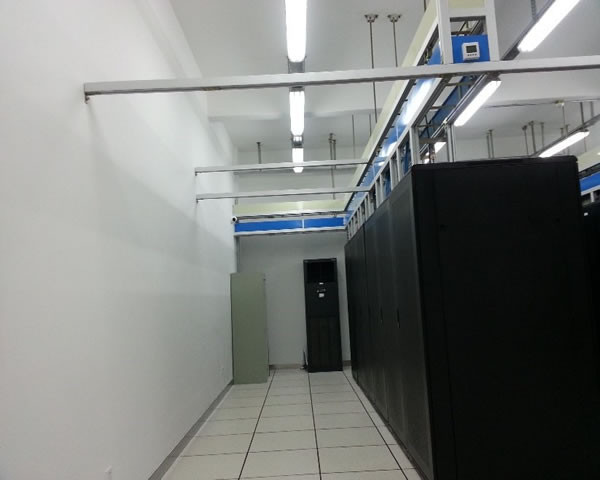
in today's highly competitive game market, the choice of server directly affects the player's gaming experience. especially for online games that require real-time interaction, server latency is a factor that cannot be ignored. this article will provide an in-depth analysis of the impact of korean cloud server latency on game operations and how to choose the appropriate server to optimize player experience.
what is server latency?
server latency is the time it takes from the time a player's device sends a request to the time the server responds. latency is usually measured in milliseconds (ms). for online games, the lower the latency, the smoother the player’s operating experience. generally speaking, a delay of less than 20 milliseconds is considered a high-quality experience, and a delay of less than 40 milliseconds is considered acceptable. a delay of more than 100 milliseconds will significantly affect the smoothness of the game.
latency characteristics of korean cloud servers
korean cloud servers are usually able to provide relatively low latency due to their superior network infrastructure and high bandwidth. latency may vary based on different network conditions and player's geographic location. in most cases, the latency of korean cloud servers is controlled between 30 milliseconds and 50 milliseconds, which is an ideal range for most online games. however, this does not mean that all games can run smoothly within this delay range. the specific situation needs to be analyzed based on the game type and network environment.
the impact of delays on game operations
the level of latency is directly related to the operational quality of the game. first of all, high latency will cause players to have an obvious sense of lag when operating, affecting the competitiveness of the game and the smoothness of the operation. secondly, servers with too high latency may cause game data to be out of sync, and players may encounter problems such as lags and disconnections during the game. this not only affects the user experience, but may also lead to the loss of players. in addition, excessive latency will have a negative impact on the social functions of the game and reduce the interactive experience between players.
how to choose the right cloud server?
choosing the right cloud server is key to ensuring smooth operation of your game. first of all, consider the geographical location of the server. choosing a server closer to the main player group can effectively reduce latency. secondly, pay attention to the bandwidth and load capacity of the server to ensure that a stable connection can be maintained during peak periods. in addition, it is also very important to consider the technical support and reliability of the cloud service provider to ensure that problems can be solved promptly when they arise.
strategies to optimize latency
in addition to choosing the right cloud server, there are several other strategies for optimizing latency. first, you can speed up content loading and reduce latency by using a content delivery network (cdn). secondly, optimizing the game’s network protocols and data transmission methods to minimize the size of data packets and the number of transmissions can also effectively reduce delays. finally, regularly monitor and analyze server performance, and timely adjust and optimize server configuration to cope with the changing network environment.
summary and suggestions
the latency of korean cloud servers has a significant impact on game operations. lower latency can improve players’ gaming experience and increase player retention. therefore, when choosing a cloud server, you need to consider factors such as latency, bandwidth, and geographical location. at the same time, using optimization strategies can further reduce latency and improve the overall performance of the game. through reasonable selection and optimization, game developers can occupy a position in the highly competitive market.
- Latest articles
- How To Optimize The System To Improve Bandwidth Utilization And Speed After Purchasing A Vps In Thailand
- Common Misunderstandings About How To Connect To Vietnam Servers To Avoid Triggering Regional Bans
- GP Singapore Server Stability In-depth Evaluation And Deployment Best Practice Guide
- Website Migration Case Sharing SEO And Speed Changes After Switching Between Hong Kong Vps And Japanese Vps
- The Technical Team’s Experience Discusses The Three Core Indicators For Choosing The Best Vps In Korea
- Performance Tuning And Monitoring Methods Of Vietnam Cn2 Network In High Concurrency Scenarios
- Buy Cloud Servers In Thailand At Low Prices, Compare Manufacturer Discounts And Long-term Operation And Maintenance Costs
- Enterprise Deploys Japanese Native Dynamic IP Address Load Balancing And Failover Solution
- Use Vietnam's Native IP Cloud Server To Build A Private VPN And Corporate Intranet Acceleration Solution
- How To Choose The Appropriate HKEX Computer Room Server Configuration For Financial Business
- Popular tags
-
Bandwidth And Protocol Support Matters You Need To Pay Attention To When Choosing A Korean Unlimited Content Cloud Server
this article details the bandwidth type, uplink and downlink, peak and committed bandwidth differences when choosing a korean unlimited content cloud server, as well as common network protocol support, security and monitoring recommendations to help manufacturers and operations and maintenance make informed decisions. -

Detailed Tutorial On The Korean Cloud Server Purchase Process From Preparation To Launch
this article is a "detailed tutorial on the korean cloud server purchase process from preparation to online." it provides professional and executable operating points and precautions from demand assessment, data center selection, specification configuration, account registration to online testing and optimization. it is suitable for reference by individuals and enterprises preparing to deploy cloud servers in south korea. -

A Guide To Selecting Cheap VPS Korean Computer Room To Help You Easily Build A Website
This article provides a guide to selecting cheap VPS Korean computer room to help you easily build a website and improve website performance and speed.